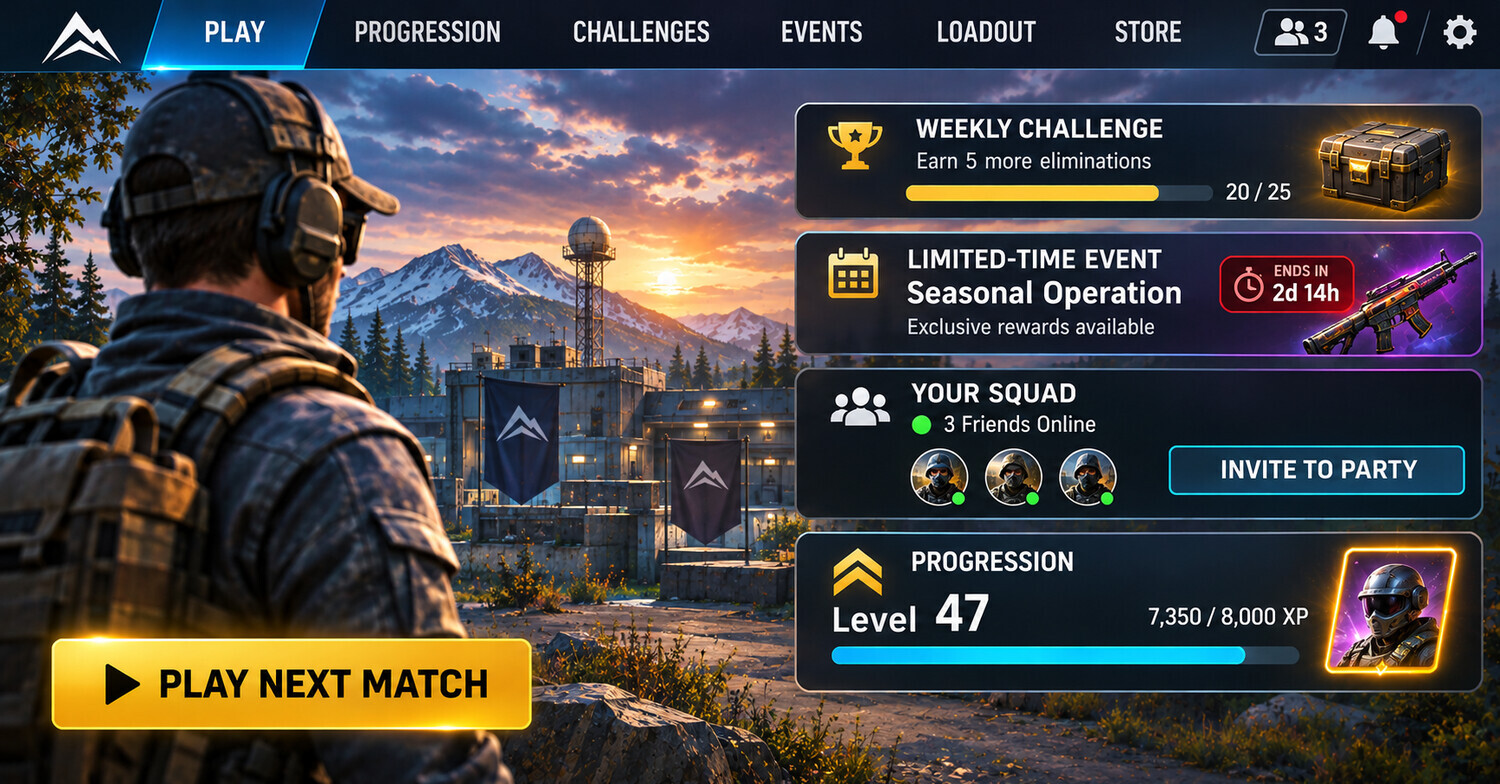
Video games are designed to be engaging. They offer challenges, rewards, progression, competition, and opportunities to connect with other people—all experiences that can make gaming enjoyable. However, some of these same features can also make it difficult to stop playing, particularly when someone intends to do something else. Understanding why this happens requires looking beyond individual self-control to consider game design, expectations within online communities, and what gaming provides for the person playing.
Why Does Game Design Matter?
Different games encourage different patterns of engagement. Some provide natural stopping points: a player completes a level, finishes a story, or reaches the end of a match. Others are designed around activities that continue indefinitely, with new challenges, rewards, and opportunities becoming available as previous ones are completed.
A player might intend to play for 30 minutes but repeatedly think, "I'll stop after this next match." When the match ends, another opportunity becomes available. Perhaps they are close to achieving a new rank, completing a challenge, or earning a reward. What began as a short recreational activity can gradually become a much longer gaming session.
This does not necessarily indicate that someone has a gaming problem. It does, however, illustrate why stopping at an intended time may require more deliberate planning. Understanding these design features can help players recognize what makes disengaging difficult.
How Rewards and Progression Encourage Continued Play
Many games use progression systems that provide players with goals to work toward, such as unlocking new equipment, improving a character, advancing through competitive rankings, or completing increasingly difficult challenges. Progression can provide a meaningful sense of achievement. After spending considerable time developing a skill or completing a challenging task, a player may understandably want to continue.
Progression systems can also create a sense that there is always something else to accomplish. A player who knows that completing one more challenge will unlock a particular reward may find it unsatisfying to stop just before reaching that goal. In other games, rewards are less predictable: players may repeat an activity without knowing when they will receive a desirable item or outcome. In the first situation, progress toward a known goal may encourage continued play; in the second, uncertainty about when a reward will appear may encourage additional attempts. Both can influence how long someone chooses to play, although they do not necessarily affect everyone in the same way.
Rewarding gameplay is not inherently harmful. The concern becomes more meaningful when the pursuit of rewards repeatedly interferes with someone's intentions, responsibilities, or well-being.
When Games Create Pressure to Return
Some games encourage regular participation through daily rewards, limited-time events, or challenges that must be completed within a particular period. A game may reward players for logging in every day or offer an exclusive item available only during a short event. These features can make participation feel time-sensitive.
Daily challenges may initially be enjoyable but eventually leave a player feeling obligated to participate, even when they would prefer to do something else. Worries about missing a reward, falling behind other players, or losing an opportunity to progress can change how gaming is experienced. An activity that began as an enjoyable choice may start to feel like another responsibility.
A useful question is whether someone is playing because they genuinely want to, or because they feel increasingly uncomfortable about what they might miss if they do not.
The Social Pressure of Multiplayer Gaming
Gaming is often a social activity. Friends may play together regularly, participate in competitive teams, or work toward shared goals. These relationships can be meaningful, and the commitments involved may resemble those found in other group activities. However, multiplayer gaming can also create challenges when someone wants to stop.
Imagine a player who intended to finish at 10 p.m. but is midway through an online activity that requires everyone's participation. Leaving may mean disappointing friends, disrupting the activity, or losing progress. The player may decide to continue, even though they need to wake up early the following morning.
Here, difficulty stopping is not necessarily explained by the game itself; social expectations also influence the decision. Understanding these expectations can help players establish more realistic boundaries. Communicating an intended finishing time before starting a multiplayer activity can help everyone plan around that commitment. Players may also choose activities that are more likely to fit within the time they have available.
Why Personal Circumstances Also Matter
Game design does not affect everyone in the same way. A person with ample recreational time may experience a lengthy gaming session differently from someone already struggling to balance employment, school, family responsibilities, or adequate sleep.
Emotional circumstances can also influence engagement. During periods of stress, gaming may be particularly appealing because it provides distraction, enjoyment, or a sense of accomplishment. For a person feeling lonely, multiplayer communities may offer valued connection. These benefits are not inherently problematic: gaming can be a meaningful source of recreation, emotional relief, and social connection.
However, when gaming becomes someone's primary way of managing difficult emotions or circumstances, it may be worth considering whether they have other ways to respond when gaming is unavailable or no longer helpful. Repeatedly turning to gaming to avoid stressful responsibilities, for instance, may provide temporary relief while leaving those responsibilities unresolved and increasingly difficult to manage. In other circumstances, gaming may provide valuable support without creating significant difficulties.
The important consideration is how gaming interacts with the person's circumstances, whether they can adjust their participation when needed, and what consequences they experience. Meaningful changes may therefore involve more than adjusting gaming schedules. They may also include addressing stress, developing additional coping strategies, or finding other opportunities for connection and enjoyment.
How Can Players Maintain Greater Control?
Understanding what encourages continued gaming can help individuals make decisions that better reflect their intentions. The most useful changes often depend on what makes disengaging difficult in the first place.
When competitive matches regularly extend beyond an intended stopping point, deciding how many matches to complete before beginning may provide a clearer boundary than relying exclusively on a particular time. Planning ahead may also help when social expectations make stopping difficult. Players can communicate their availability beforehand and avoid lengthy multiplayer activities when they have limited time.
For players who feel pressured by daily rewards, it may be useful to consider whether those rewards are worth the time and attention required to obtain them. Choosing to miss a reward may become easier when participation is recognized as optional. Other changes might involve adjusting notifications, selecting games with more natural stopping points, or establishing routines that make it easier to transition from gaming to other activities.
These strategies will not be equally useful for everyone. Their value depends on whether they help the individual maintain the gaming habits they want and reduce any difficulties they are experiencing. When someone repeatedly struggles to follow through on their intentions or continues experiencing significant consequences, additional support may be helpful.
Understanding Engagement Without Assuming Harm
Games are designed to capture attention and encourage participation, but engagement is not automatically evidence of harm. Progression, rewards, competition, and social interaction can contribute to enjoyable and meaningful recreational experiences. What matters is how these features interact with the individual and their circumstances. A player may enjoy a highly engaging game while maintaining responsibilities and relationships and remaining able to adjust their participation. For another player, particular features may repeatedly contribute to gaming longer than intended, disrupted sleep, or difficulties meeting responsibilities.
Difficulty putting a game down is not always simply a matter of self-control. Recognizing how game design, rewards, social expectations, and personal circumstances influence continued play can help individuals identify which changes, if any, would be useful and make more informed decisions about when, why, and how they play.

Michael Fish
Contact Me